
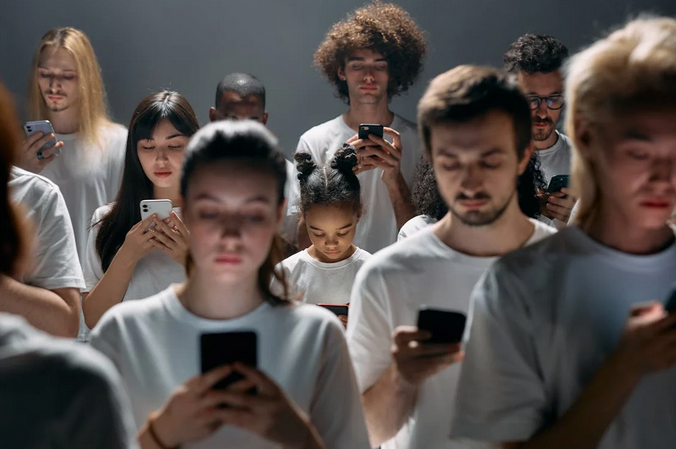
Social validation has always affected how we interact, measure success, and build reputation. But in the digital age, it’s taken on a whole new meaning and business model. With every like, comment, share, and follow, technology is quantifying our social worth and turning that validation into something that can be scaled, bought, and even automated. What once took time, effort, and social capital to earn can now be accelerated through digital tools. Let’s take a closer look at how tech is powering this shift, and what it means for how we view ourselves and each other.
From Compliments to Clicks: How Validation Went Digital
Social approval used to come in the form of a smile, a nod, or a compliment. Today, it’s a double-tap or a comment notification. Technology has digitized our need for acceptance, making it easier to give—and expect—instant feedback. This shift hasn’t just changed how we communicate; it’s altered how we evaluate self-worth and status in the online world. Validation is now visible, public, and easily counted.
The Influence on Economy and the Demand for Metrics
Influencers aren’t just popular people online—they’re brands. And like any brand, they rely on metrics to prove value. The demand for visible engagement metrics has transformed likes and follows into a kind of digital currency. That’s why many creators and businesses turn to services like Instagram post likes packages, which help them maintain competitive engagement levels and signal credibility to new viewers. In a crowded space, strong numbers can mean the difference between being seen and being ignored.
Automation for Instant Validation

One of the biggest changes technology has introduced is speed. Automated tools now handle everything from comment replies to scheduled posts, allowing users to stay active and visible without being constantly online. But automation doesn’t stop at content—it’s also used for engagement. Bots, schedulers, and third-party tools offer ways to manage and grow social presence efficiently, helping people build validation loops that reinforce their relevance.
Algorithmic Approval as the Silent Judge
Every social media platform is governed by algorithms that decide what content gets seen. These invisible filters are designed to reward engagement, meaning the more validation a post gets, the more it will be shown. This has created a feedback loop where validation drives visibility, and visibility drives more validation. It’s no longer just people validating each other—algorithms are doing it too.
Validation as a Business Model

From platforms selling engagement tools to agencies offering social growth strategies, there’s now a full-blown industry built around helping people look liked, followed, and admired. Whether it’s real followers or strategic appearance management, validation has become something you can outsource. The demand is so high that entire startups now exist just to sell the feeling of being popular online.
Psychological Drivers in the Age of Metrics
What makes scalable social validation so powerful is that it taps into something deeply human. We all want to be seen, heard, and approved of—but when the approval is displayed publicly and attached to numbers, it’s easier to compare ourselves to others. Technology didn’t invent this desire, but it amplified it. By making validation visible and competitive, it feeds into our instincts in ways we’re only beginning to understand.
As tech continues to evolve, so does our relationship with self-worth and status. Social validation, once earned organically through real-life interactions, is now something that can be optimized, automated, and scaled. While that may raise questions about authenticity, it also reflects the new reality of digital life. In this connected age, being seen is power; and technology is making sure that power is always within reach, for the right price.