

Running a business today means dealing with digital threats as much as financial ones. A single weak password or phishing email can unravel years of effort. Partnering up with an it company houston can give businesses a strong foundation. It all makes sense that many professionals suggest every company, from startups to enterprises, take cybersecurity seriously. But daily practices matter just as much. Think of it like locking your doors. You still need to check the windows. Here’s a list of habits IT professionals swear by that can save your data and life.
Hire Reliable IT Services
Not every business has the budget or expertise for a full-time cybersecurity team. That’s where hiring reliable IT professionals comes into play. Partnering with experts provides access to proactive monitoring, data backup solutions, and fast response times in case of trouble. Working with specialists also means businesses can scale their protection as they grow. Instead of playing catch-up with threats, they stay one step ahead. In a city as competitive as Houston, having trusted experts in your corner is less of a luxury and more of a necessity. It’s like having a mechanic you trust—better to prevent breakdowns than deal with them on the road.
Strengthen Password Protocols
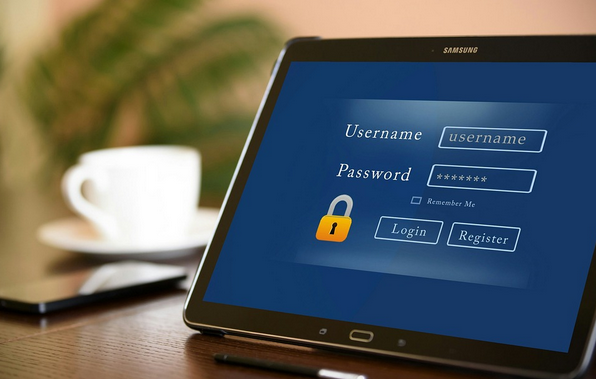
Weak passwords remain one of the easiest entry points for hackers. Employees often reuse the same credentials across multiple platforms, making it simple for attackers to get inside. Businesses should require long, complex combinations of letters, numbers, and symbols. Adding two-factor authentication on top creates another hurdle for intruders. It may sound like a hassle, but the small inconvenience saves massive headaches later. Password managers can reduce the burden, generating and storing secure logins automatically. A company-wide culture of “strong passwords first” builds a protective wall that’s difficult to climb. This step is the digital version of putting a deadbolt on your front door.
Train Employees to Spot Threats
Human error is still the weakest link in cybersecurity. Employees often fall for phishing emails that mimic real requests. Teaching staff how to identify suspicious links, attachments, and requests protects both company and client data. Training should be ongoing, not a one-time slideshow. Practical exercises like simulated phishing campaigns make the lessons stick. Employees who practice in safe environments build confidence and alertness. Over time, a workforce trained in cyber awareness acts as an extra security layer. The old saying applies well here: an ounce of prevention beats a pound of cure.
Regularly Update Systems and Software

Outdated systems are like leaving a rusty lock on a safe. Hackers look for old vulnerabilities that developers have already patched. Delaying updates gives them the key to walk right in. Regular patching of operating systems, apps, and antivirus software is essential. Automating updates can keep this task consistent and reduce the chance of human forgetfulness. Scheduling checks every week also helps keep machines running smoothly. Businesses that ignore this step risk becoming an easy target for cybercriminals. Staying current closes doors before anyone can sneak through them.
Back up Data Consistently
Losing critical data can cripple operations overnight. Whether it’s an accidental deletion or a ransomware attack, recovery depends on having safe backups. Companies should store copies both on-site and in the cloud for maximum protection.
Scheduling automatic backups ensures nothing slips through the cracks. Testing recovery procedures regularly guarantees that the backups actually work when needed. A reliable backup system isn’t glamorous, but it’s a lifeline during a crisis. Think of it as keeping a spare tire—you hope you never need it, but you’ll be glad it’s there.