
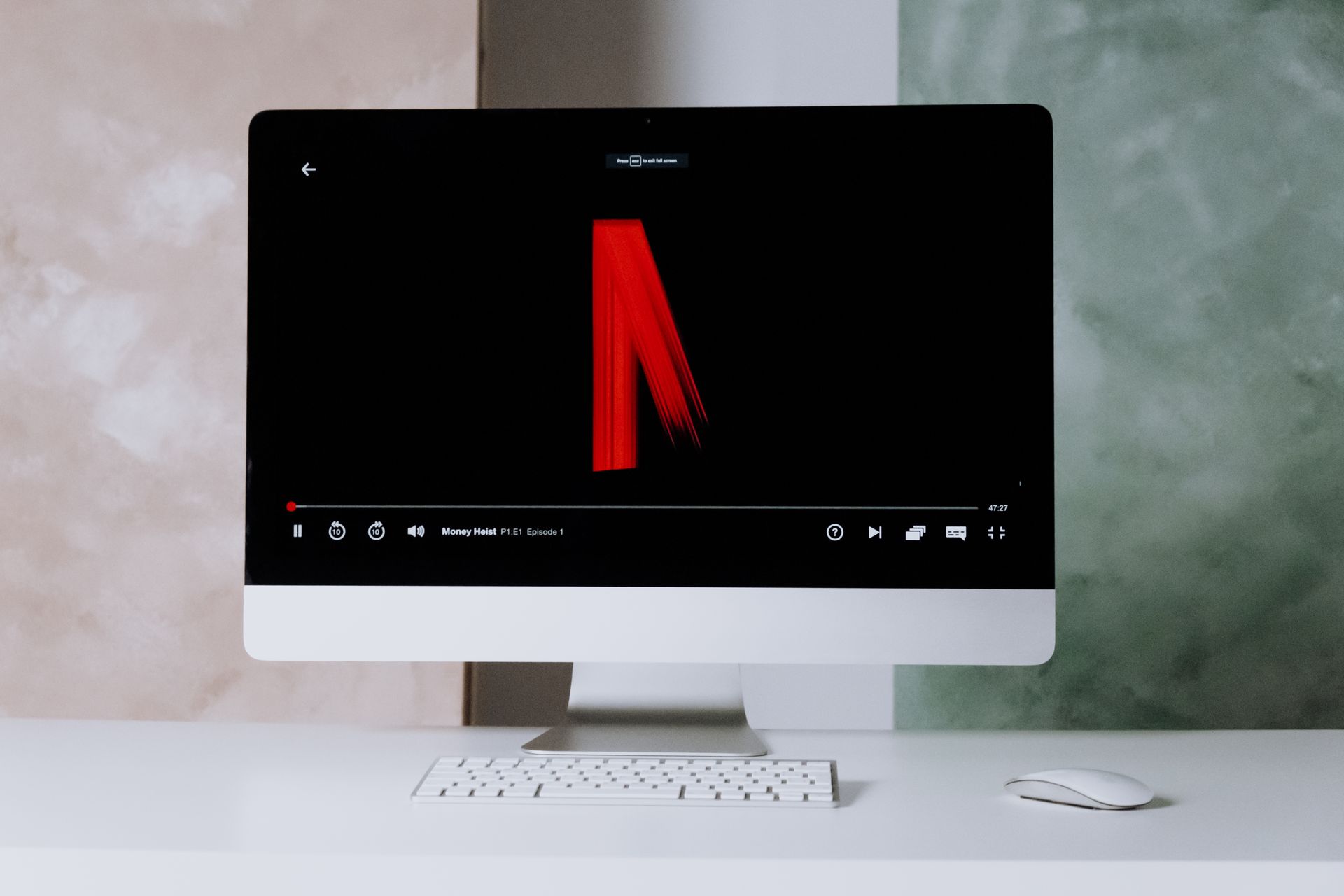
Nothing breaks the mood faster than a spinning loading icon appearing during the best scene of a movie. While reading an Aether TV show review, you might get excited to press play, only to spend more time staring at buffering than the actual episode. The good news is that streaming problems often have simple causes. A few small adjustments can make a noticeable difference. You don’t always need a faster internet plan. Sometimes your current setup simply isn’t performing at its best. Before blaming the streaming platform, it’s worth checking a few things at home. The solution may be easier than expected.
Move Your Router to a Better Location
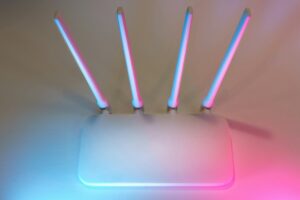
Wi-Fi signals behave more like light than magic. Thick walls, large furniture, and even household appliances can weaken the connection before it reaches your streaming device. Placing the router in a central, open area usually improves coverage. Small changes in location can produce surprisingly better results. Avoid hiding the router inside cabinets or behind televisions.
Those spots may look tidy, but they often reduce signal strength. Higher placement also helps distribute Wi-Fi more evenly across the house. Good positioning costs nothing and often delivers immediate improvements. If your home has multiple floors, think carefully about where the router sits. A poor location can create dead zones that affect streaming quality. Better placement helps maintain a stronger connection throughout the house. It’s one of the easiest upgrades you can make.
Reduce Network Traffic During Streaming
Every connected device shares part of your internet bandwidth. Phones, tablets, game consoles, and smart home devices can quietly consume data in the background. Large downloads or cloud backups running at the same time may affect video quality. Streaming becomes much smoother when unnecessary traffic is reduced. Take a quick look at what else is using your network. Pausing software updates or large file transfers during movie night can free up valuable bandwidth.
Even automatic photo backups can make a difference. A quieter network usually delivers a steadier stream. Many modern routers also allow you to prioritize certain devices. Giving your streaming device higher priority helps maintain consistent performance. That feature can be especially useful during busy evenings. Everyone still stays online, but video playback gets first access.
Choose the Right Streaming Quality

Higher resolution looks fantastic, but it also requires more bandwidth. Streaming in 4K on a slower connection can increase buffering. Switching to 1080p or even 720p may create a much smoother experience. In many living rooms, the visual difference is surprisingly small. Most streaming platforms allow you to adjust playback quality manually. Experiment with different settings instead of always choosing the highest option.
Smooth playback often feels better than sharper video interrupted every few minutes. Consistency wins. Keep in mind that screen size matters too. A smaller tablet or phone may not benefit much from ultra-high resolutions. Choosing the right quality balances picture clarity and performance. That’s a smarter approach than chasing the highest number.
Keep Your Devices and Apps Updated
Streaming apps receive regular updates that improve performance and fix bugs. Using outdated software may lead to compatibility issues or slower playback. Installing updates keeps everything running more smoothly. It also improves security. The same applies to streaming devices and smart TVs. Firmware updates often include network improvements that reduce interruptions. Restarting devices occasionally can also clear temporary glitches. A few minutes of maintenance can save hours of frustration later.
Buffering doesn’t always mean your internet service is the problem. Router placement, network traffic, streaming quality, and software updates all play important roles in delivering a smooth viewing experience. The next time you settle in for a movie or series, the only thing spinning should be the opening studio logo.