
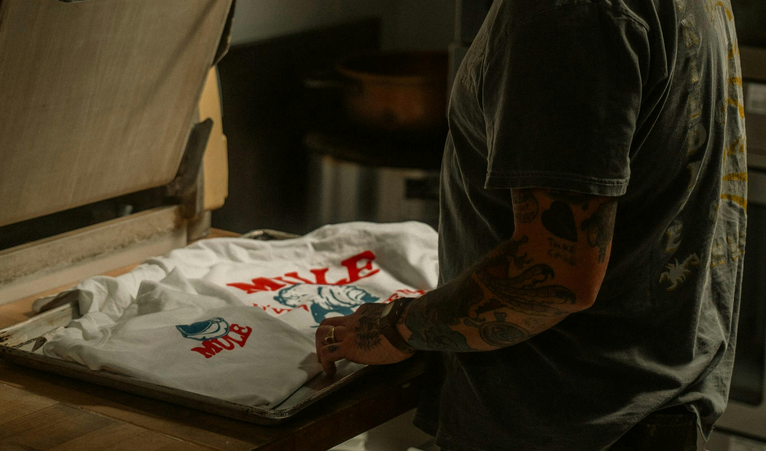
Direct-to-Film (DTF) transfers have transformed the custom printing landscape, offering vibrant colors, sharp details, and long-lasting results. However, like any printing technique, DTF transfers come with potential pitfalls that can compromise the quality of your finished products. Many beginners and even experienced printers make avoidable errors that affect adhesion, color accuracy, and durability. By understanding these mistakes and how to prevent them, you can achieve consistent, professional-grade results. Avoiding common pitfalls ensures that your prints not only look impressive but also stand the test of time, keeping customers satisfied.
The Wrong Fabric
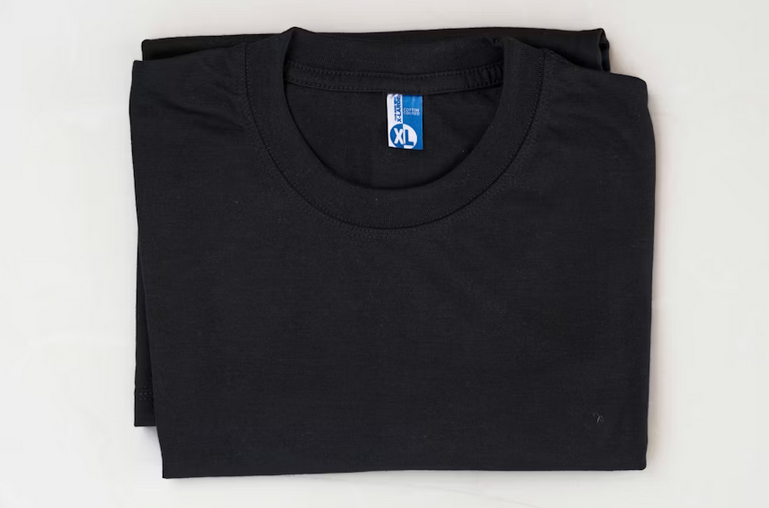
One of the most frequent mistakes in DTF printing is refusing to view more technical information. This includes choosing an incompatible fabric. Different materials interact with inks and adhesive powders in varied ways, affecting color vibrancy and print durability. Natural fibers like cotton generally produce excellent results, while synthetic fabrics may require adjustments in heat and pressure settings to prevent smudging or fading. Testing a small sample before a full production run can help identify potential issues. Understanding fabric compatibility is crucial to achieving professional, long-lasting prints without wasting materials or resources.
Incorrect Heat Press Settings
Another common error is improper heat press temperature and pressure. DTF transfers require precise conditions to fuse the ink and adhesive powder correctly. Too much heat or pressure can distort the design, while insufficient settings may result in peeling or poor adhesion. Each transfer and fabric type has specific requirements, so consulting manufacturer guidelines and conducting test presses is essential. Skipping this step can compromise the final product’s quality, reduce durability, and increase waste, undermining the efficiency of your production process.
Zero Pre-Treatment and Post-Treatment
Many users overlook pre-treatment or post-treatment requirements, which can greatly affect print longevity. Pre-treating the fabric may be necessary for certain materials to improve ink absorption, while post-pressing helps stabilize the design and enhance adhesion. Skipping these steps can result in fading, cracking, or peeling after minimal use or washing. Following the complete process from pre-treatment to curing ensures the DTF transfer maintains vibrant colors and durability, reducing customer complaints and increasing satisfaction.
Poor Ink and Powder Application
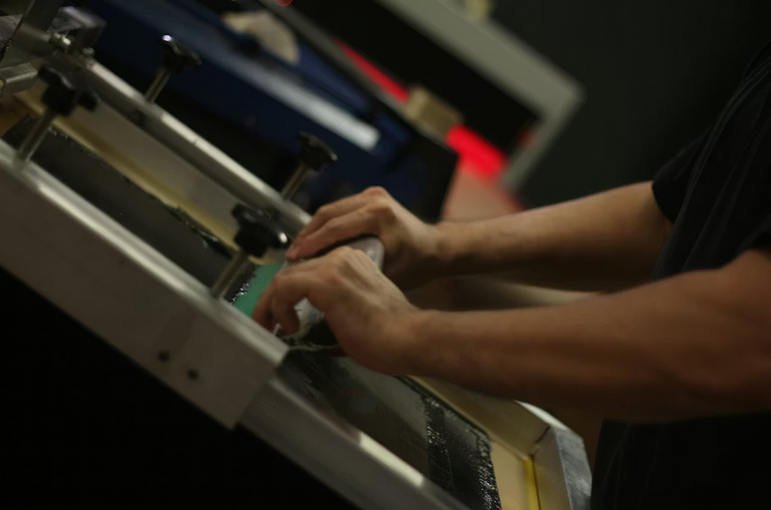
A third mistake involves incorrect application of ink or adhesive powder. Uneven coating, excess powder, or insufficient coverage can cause patchy prints or weak adhesion. Using calibrated tools and following recommended amounts for both ink and powder ensures a uniform transfer. Additionally, shaking off excess powder before heat pressing prevents lumps or rough textures in the design. Proper application techniques are critical for producing smooth, professional-looking prints that maintain their appearance over time.
Improper Storage and Handling
Finally, improper storage and handling of DTF films is a frequent source of errors. Exposure to moisture, dust, or extreme temperatures can damage the films or reduce ink effectiveness. Always store transfers in a cool, dry environment and handle them carefully to avoid scratches or creases. Maintaining clean workspaces and equipment also prevents contamination, which can negatively impact print quality. By paying attention to storage and handling, printers protect their investment and maintain consistent production quality.
Avoiding common mistakes in DTF printing is key to achieving high-quality, long-lasting custom designs. By selecting the right fabrics, adjusting heat press settings, applying ink and powder properly, following pre- and post-treatment procedures, and maintaining careful storage and handling, printers can produce vibrant, durable apparel that meets professional standards. Awareness of these potential pitfalls reduces waste, improves efficiency, and enhances customer satisfaction. Mastery of these practices allows businesses and creators to leverage DTF transfers effectively, producing consistent results that elevate the quality of their custom-printed products.…