
Scroll through Facebook for five minutes and you’ll notice something: groups don’t feel like regular posts on your feed. They’re interactive spaces with their own tools, cultures, and even rules. It’s no wonder people treat them as if they were stand-alone platforms. For creators trying to grow certain groups, the strategy to buy facebook post likes within those groups can boost engagement while also tapping into these community-style hubs.
The Built-in Toolkit
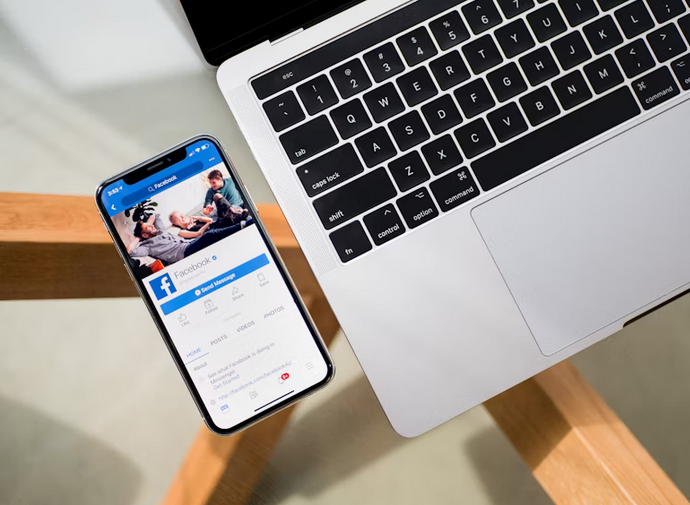
Groups come with features that make them feel independent from the main app. Polls, events, learning units, and even shops turn them into small ecosystems. Instead of scrolling endlessly, members often join specifically to access these tools. It’s like walking into a café that also doubles as a library and meeting hall. This toolkit makes participation simple. A fitness group might host weekly challenges using polls, while a gaming group could stream sessions inside the page itself. The versatility gives groups staying power because people don’t have to leave the space to interact.
Personalization at the Core
Facebook’s algorithm treats groups differently. Posts inside them often get priority in notifications, reminding users to jump back in. That makes them feel more immediate than a random post floating on a feed. The personalization extends to recommendations. Join a cooking group and you’ll soon be nudged toward gardening or meal-prep groups. It creates a network effect, where users feel as though they’re moving seamlessly through connected apps.
Communities That Act Like Ecosystems
Unlike the chaos of a news feed, groups bring structure. Admins set rules, moderate discussions, and guide conversations. Over time, these rules shape a culture that feels distinct, almost like a club with its own vibe. That’s why groups can feel sticky. Members log in to check updates or contribute, similar to checking an app built for a specific purpose. For many, it becomes part of their daily routine—like opening a messaging app or checking email.
A Sense of Ownership
Unlike just “liking” a page, being in a group gives members a role. They can post, comment, share files, and even run sub-events. That hands-on involvement builds loyalty in a way a passive feed never could. People often describe their favorite groups as communities they “belong” to. That sense of belonging is what makes them return again and again. It’s the digital equivalent of hanging out in a familiar neighborhood café.
Why They Keep Growing
The combination of tools, personalization, and culture means groups aren’t slowing down. They give people purpose-driven spaces where interaction feels meaningful. And because Facebook keeps expanding features, the line between app and group keeps getting blurrier. For users, this isn’t a problem—it’s a bonus. Instead of juggling multiple apps, they find everything under one umbrella. That’s why groups feel less like add-ons and more like mini-apps built right inside the platform.
Facebook Groups aren’t just another feature. They’re entire micro-environments where people gather, share, and build routines. For many, they’re the reason to stay on the app in the first place—and that’s what makes them so powerful.